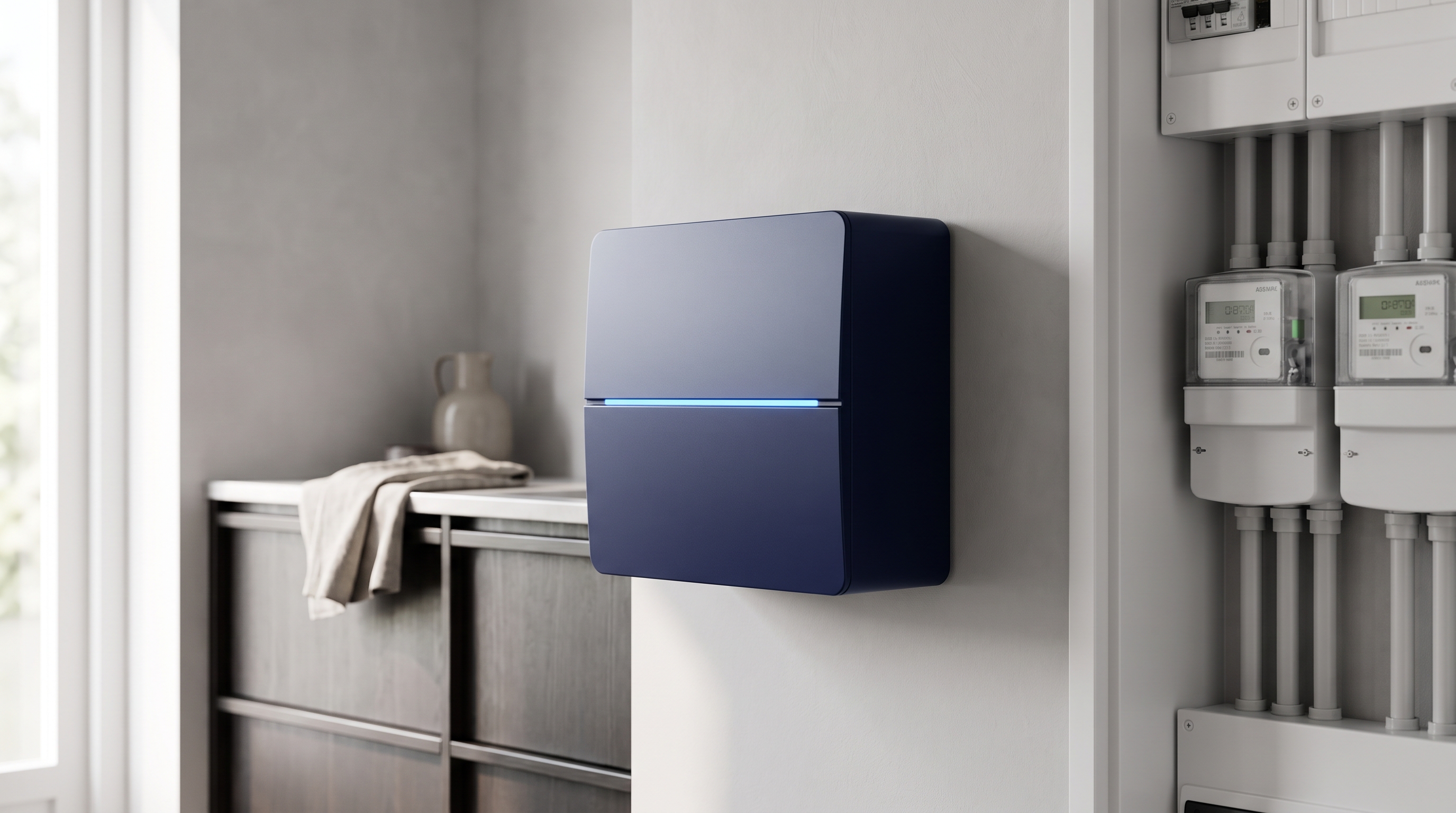
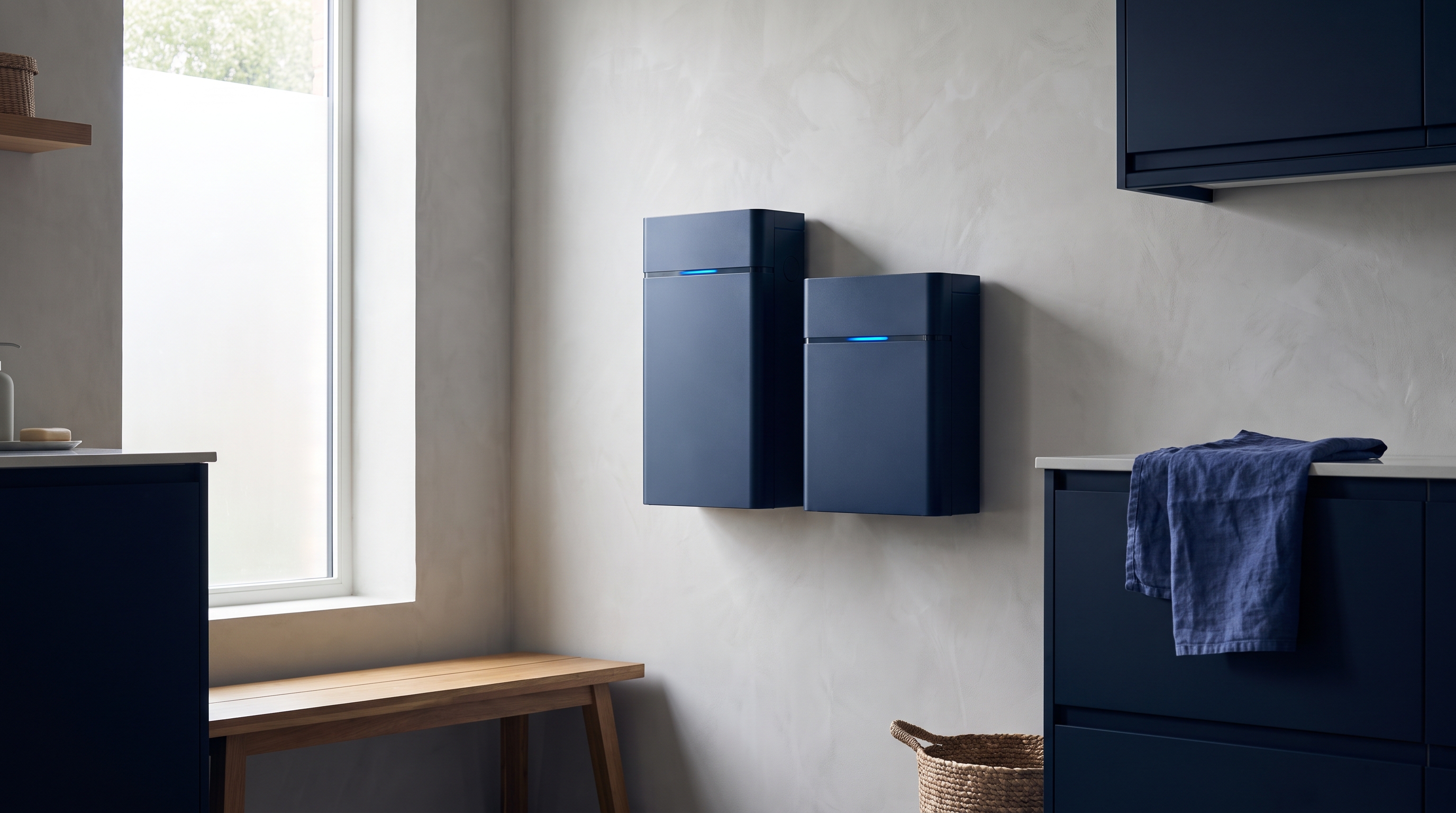
For most households with solar panels, yes, though the honest answer is "increasingly, and especially from 2027." A 10 kWh battery costs roughly €5,000–€9,000 installed today and pays back in about 6–9 years on solar self-consumption alone. Pair it with a dynamic contract and active control, and that drops toward 5–7 years. The reason the case keeps getting stronger is a single policy change: the saldering scheme ends on 1 January 2027, and that's exactly when storing your own solar power stops being optional math.
Below is the real calculation, not a sales pitch, so you can decide for your own roof and your own consumption.
Why 2027 changes the entire calculation
Until the end of 2026, the salderingsregeling lets you net every kWh you export against a kWh you import, at the full retail price. Export a kWh worth €0.28 in summer, pull one back in winter, and they cancel. Under that rule a battery saves you very little: the grid already acts as a free, 100%-efficient "battery."
From 1 January 2027 that disappears. You can no longer offset exports against imports. Instead you receive a feed-in compensation (terugleververgoeding) set by your supplier. The government guarantees a "reasonable" rate that can't be negative, and through 2030 it must be at least 50% of the basic supply rate before taxes. But in practice the kWh you export will be worth a fraction of the kWh you buy back in the evening.
That gap is the entire business case for a battery. The bigger the spread between what you're paid to export and what you pay to import, the more every stored kWh is worth. Net metering kept that spread at zero. After 2027, it opens up, and a battery is how you capture it.
The core ROI math
Take a fairly typical household: 6 kWp of solar, no EV, a daily summer surplus that currently gets exported, and meaningful evening consumption between 17:00 and 23:00.
The value of a stored kWh, post-2027. Suppose you'd be paid roughly €0.05/kWh to export, but pay around €0.30/kWh to import in the evening. Storing that kWh and using it yourself instead is worth the difference, about €0.25/kWh. A 10 kWh battery cycled once a day captures on the order of 8–9 kWh of usable energy after round-trip losses, ~300 days a year:
8.5 kWh × €0.25 × 300 days ≈ €640/year in avoided evening purchases.
The hardware. A 10 kWh integrated system runs about €5,000–€9,000 installed in 2026, at roughly €200–€400 per kWh of capacity. Take a mid-point of €7,000.
Simple payback: €7,000 ÷ €640 ≈ 11 years on self-consumption alone, longer than the headline numbers you'll see advertised, because this assumes a quiet battery doing nothing but shift solar.
That's the floor. Here's where it gets better.
Adding a dynamic contract: the second income stream
A battery doesn't only store sunshine. On a dynamic (hourly, EPEX-priced) contract, it can also charge from the grid when wholesale prices are low (overnight wind, a sunny midday glut) and discharge during the evening peak. That's arbitrage, and it stacks on top of your solar savings.
Across 2026, the practical spread on a typical day runs €0.10–€0.20/kWh after costs, which adds roughly €200–€400/year for a 10 kWh battery actively traded. Some households with access to imbalance-market (onbalansmarkt) optimisation report €350–€600/year on top of avoided purchases, but that upside comes with real caveats, and we cover it in detail in pairing a home battery with a dynamic contract.
Add a conservative €300/year of arbitrage to the €640 of solar self-consumption, and:
€7,000 ÷ €940 ≈ 7.5 years payback.
With a 12–15 year battery lifespan and an LFP warranty that typically covers 6,000+ cycles, that's several years of pure return after break-even.
What makes the difference between 11 years and 7
The hardware is identical. The variable is control. A battery on simple "charge on sun, discharge at night" logic captures the solar half and misses the arbitrage entirely. A battery managed by a smart energy system charges from the grid only when tomorrow looks cloudy, holds capacity for the most expensive evening hours, and decides, in real time, whether a surplus kWh is worth more stored or exported.
This is the single biggest lever on your payback, and it's why we always tell people to plan for intelligent control from day one rather than bolting it on later.
So, is it worth it for you?
A home battery is most clearly worth it if you:
- already have solar panels and export a real summer surplus,
- have meaningful evening consumption (you're home, you cook, you have a heat pump or EV),
- are on or willing to switch to a dynamic contract, and
- plan to keep the house 7+ years.
It's a weaker case if your solar array is small, your daytime consumption already soaks up most of your production, or you expect to move soon. And the honest caveat: every figure above is indicative. Your payback depends on your tariff, your consumption shape, and how the terugleververgoeding actually lands in 2027. Model it with the post-2027 export rate, not today's net-metered one. That's the number that will define the next decade of your solar investment.
For the full picture on the policy shift driving all of this, see what the 2027 saldering phase-out means for solar owners.