The terugleververgoeding is the price your energy supplier pays you for the solar power you export to the grid, and from 1 January 2027 it is what replaces net metering (saldering). In 2026 it is typically only a few cents per kWh, often around €0.03 to €0.08, a fraction of the €0.25 to €0.35 you pay to buy electricity back in the evening. Understanding how it is set, and how much lower it is than your import price, is the key to deciding what to do with your solar surplus from 2027 onward.
What the terugleververgoeding actually is
Under the current salderingsregeling, every kWh you export is netted 1-to-1 against a kWh you import, at the full retail price. That effectively values your exported solar at your import price. From 2027 that netting disappears, and exported power is instead paid a separate feed-in rate: the terugleververgoeding.
Suppliers set this rate themselves, within limits. The government requires it to be 'reasonable', it cannot be negative, and through 2030 it must be at least 50% of the basic supply rate before taxes. In practice, the rates announced for 2026 sit well below your import price. For the wider context of the policy change, see what the 2027 saldering phase-out means for solar owners.
How much will you actually get?
The gap between what you are paid to export and what you pay to import is the whole story:
| Typical 2026 value | |
|---|---|
| What you pay to import (retail) | €0.25–€0.35/kWh |
| What you were credited under saldering | Same as retail (1-to-1) |
| Terugleververgoeding from 2027 | ~€0.03–€0.08/kWh |
So the same kWh that used to be worth around €0.30 when netted is worth closer to €0.05 when simply exported. That is why, from 2027, using your own solar is worth roughly five to eight times more than exporting it.
Watch out for feed-in costs (terugleverkosten)
There is a second charge to know about. Some suppliers add a separate fee, often called terugleverkosten, for households that feed a lot of power back to the grid, because balancing that export costs them money. It can be a fixed monthly amount or a tiered charge that rises with how much you export. That means your net benefit from exporting can be even lower than the headline terugleververgoeding suggests. When you compare suppliers, look at both the feed-in rate and any feed-in costs together, not just the rate.
What this means for you
The practical conclusion is simple: from 2027, the value is in self-consumption, not export. Every kWh you use yourself avoids the full retail price; every kWh you export earns only the feed-in rate. The bigger that gap, the more it pays to keep your solar power at home.
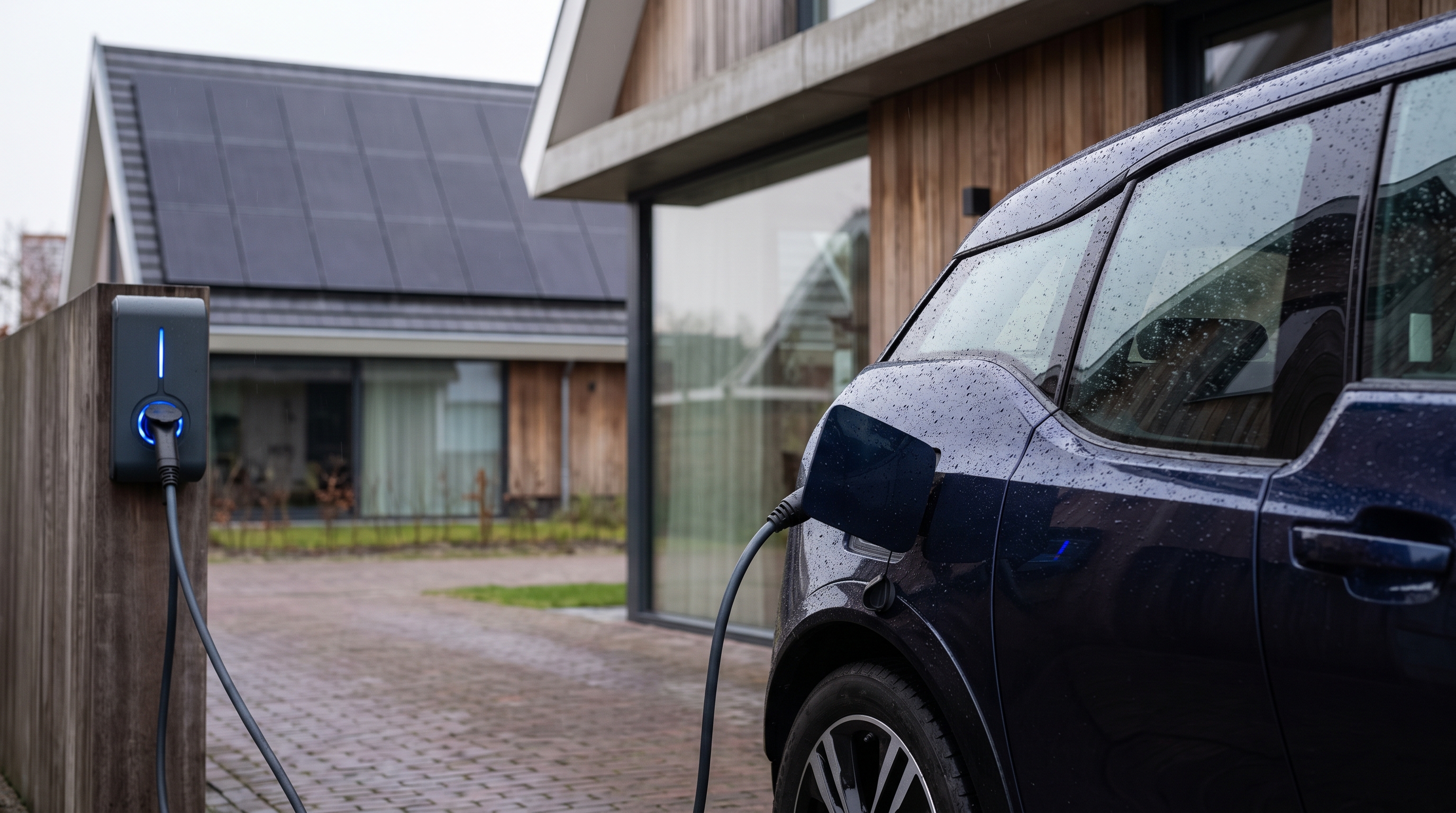
Concretely, that means shifting flexible use into daylight hours, charging an EV from your surplus, or storing it in a home battery for the evening. A dynamic contract makes the timing pay even more, because it lets you also buy cheaply when you are short. For the numbers on storage, see whether a home battery is worth it in the Netherlands; for how hourly pricing works, see dynamic energy contracts, explained simply.
The honest bottom line: the terugleververgoeding is not a disaster, but it is not a substitute for saldering either. Treat exported solar as a small bonus from 2027, and build your plan around using as much of your own production as you can.