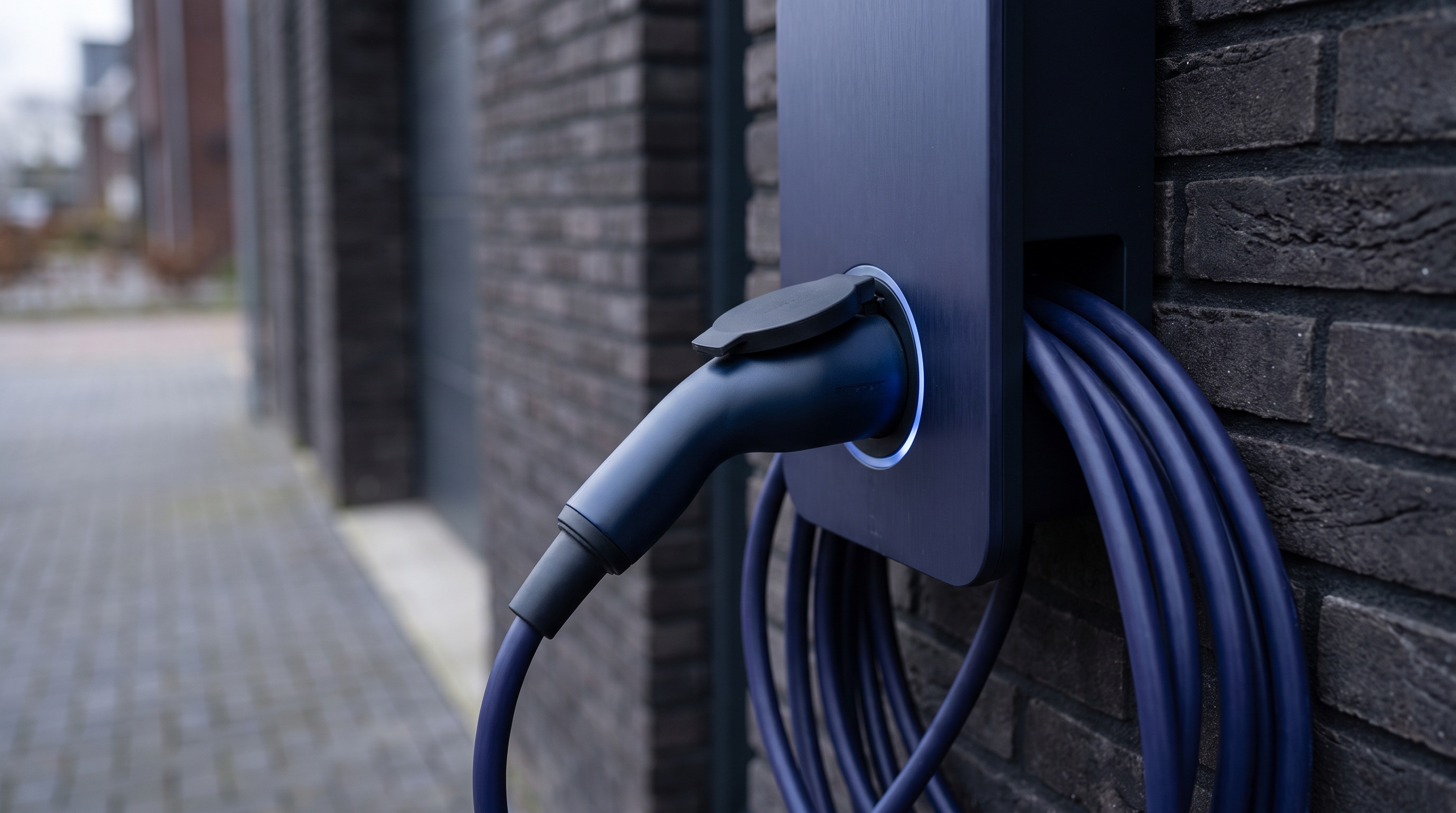
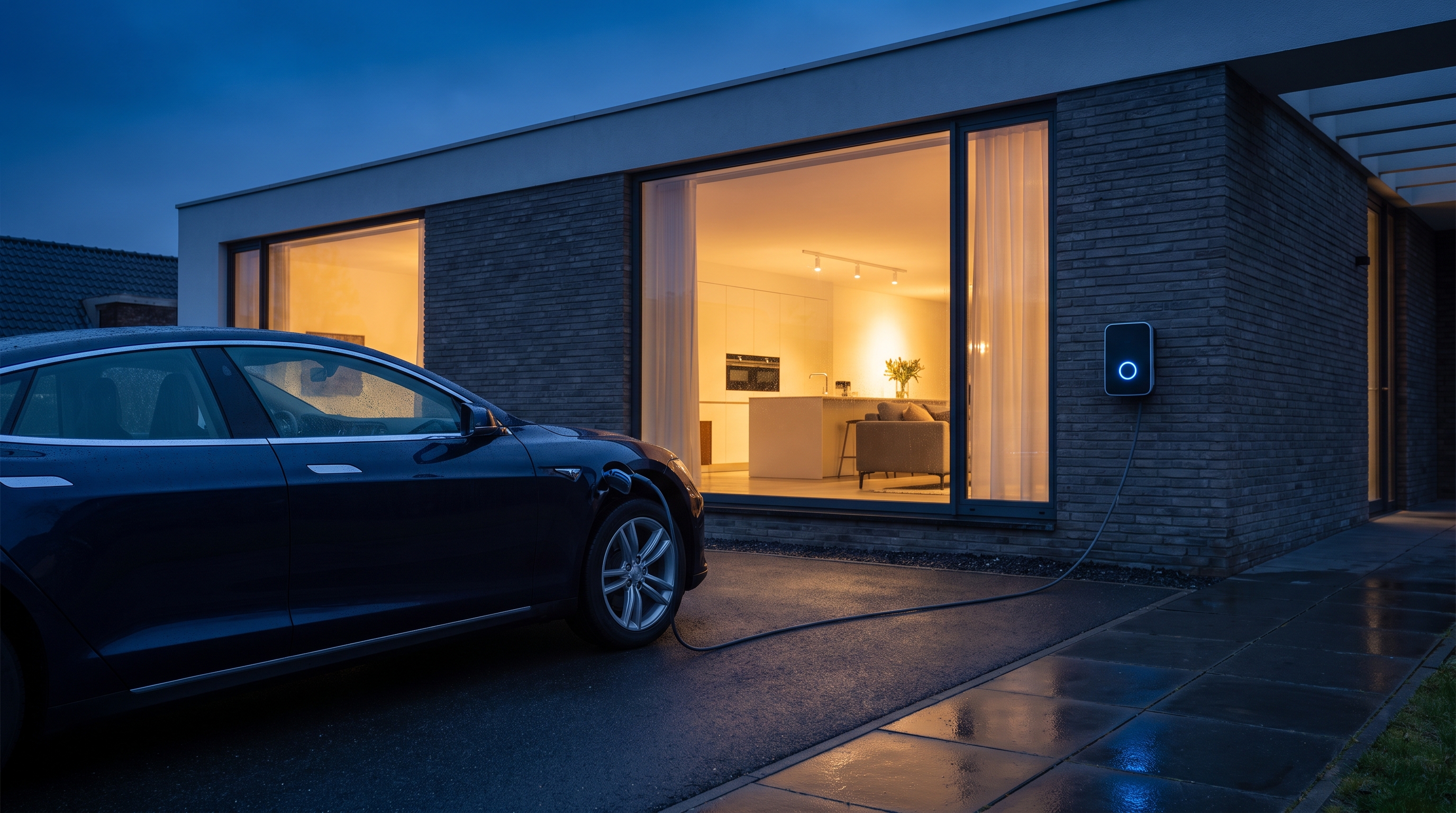
Vehicle-to-grid is real in the Netherlands as of 2026, but it is early. The country now has its first large-scale V2G service for private drivers, yet the list of cars and chargers that support it is still short. So the honest answer to 'is it ready yet?' is: yes for a small group of early adopters with the right car, and arriving for everyone else. Here is where it actually stands, and what you need to use it.
What vehicle-to-grid actually is
An electric car is a large battery on wheels — often 50 to 70 kWh, enough to power an average Dutch home for several days. Vehicle-to-grid (V2G) lets that battery push energy back out, not just take it in. Charge when power is cheap or your solar is spilling over, then discharge in the expensive evening peak, or when the grid needs support.
You will also see the term V2H, vehicle-to-home, which means using your car to power your own house. V2G goes a step further and lets your car interact with the grid and energy markets. The underlying capability is the same: a car that can send power out as well as draw it in.
Why it has been slow to arrive
The bottleneck has always been hardware. Sending power back out needs a bidirectional charger and a car built to allow it. For years that meant DC bidirectional setups and the older CHAdeMO plug — effectively the Nissan Leaf and little else — which kept V2G stuck in pilots. The missing piece was affordable, mainstream AC bidirectional charging. That is exactly what changed in 2026.
Where V2G stands in the Netherlands in 2026
The Netherlands now has its first large-scale AC vehicle-to-grid service for private drivers, launched by Renault Group and We Drive Solar (with Hegg Energy, part of The Sharing Group), with a full consumer roll-out planned for the first half of 2026. It uses the bidirectional charging built into Renault Group's Mobilize technology, paired with We Drive Solar's bidirectional public AC chargers and aggregation.
At launch the supported cars are the Renault 5 E-Tech, the Renault 4 E-Tech and the Alpine A290, with more Renault Group models expected to gain the capability through 2026. There is also a visible proving ground: in Utrecht, more than 100 Renault 5s are already running in what is described as Europe's largest V2G car-sharing project, managed by MyWheels and heading toward 500 vehicles.
So the picture is real but narrow: a working service, real cars on the road, and a clear direction of travel — but a short compatibility list for now.
What you need to use V2G today
- a V2G-capable car (currently a short list, led by the Renault Group models above),
- a bidirectional charger that matches your car,
- a service or aggregator that can actually trade or optimise the energy you send back, and
- the right metering and contract, since feeding energy to the grid is not the same as simply not importing it.
The honest caveats
A few things to keep in perspective. The car list is short, so V2G is only an option if your specific model supports it. The ecosystem — chargers, contracts, aggregators — is young, so choice is limited and terms are still settling. Battery wear is a common worry; V2G cycling is usually gentle, but check how it interacts with your warranty. And the economics overlap heavily with a home battery: V2G effectively turns your car into the battery you might otherwise buy.
That last point is the practical one. For most households today, a dedicated home battery is the available, proven way to capture the same value — storing cheap or solar power for the expensive evening. For the numbers on that, see whether a home battery is worth it in the Netherlands, and for the pricing that makes both pay, dynamic energy contracts, explained simply.
So, is it ready?
For an early adopter with a compatible Renault, yes — V2G is live and usable in the Netherlands today. For everyone else, it is genuinely on the way, and worth factoring in if you are buying an EV now: check whether the model supports bidirectional charging. In the meantime, a home battery does the same job with today's technology.