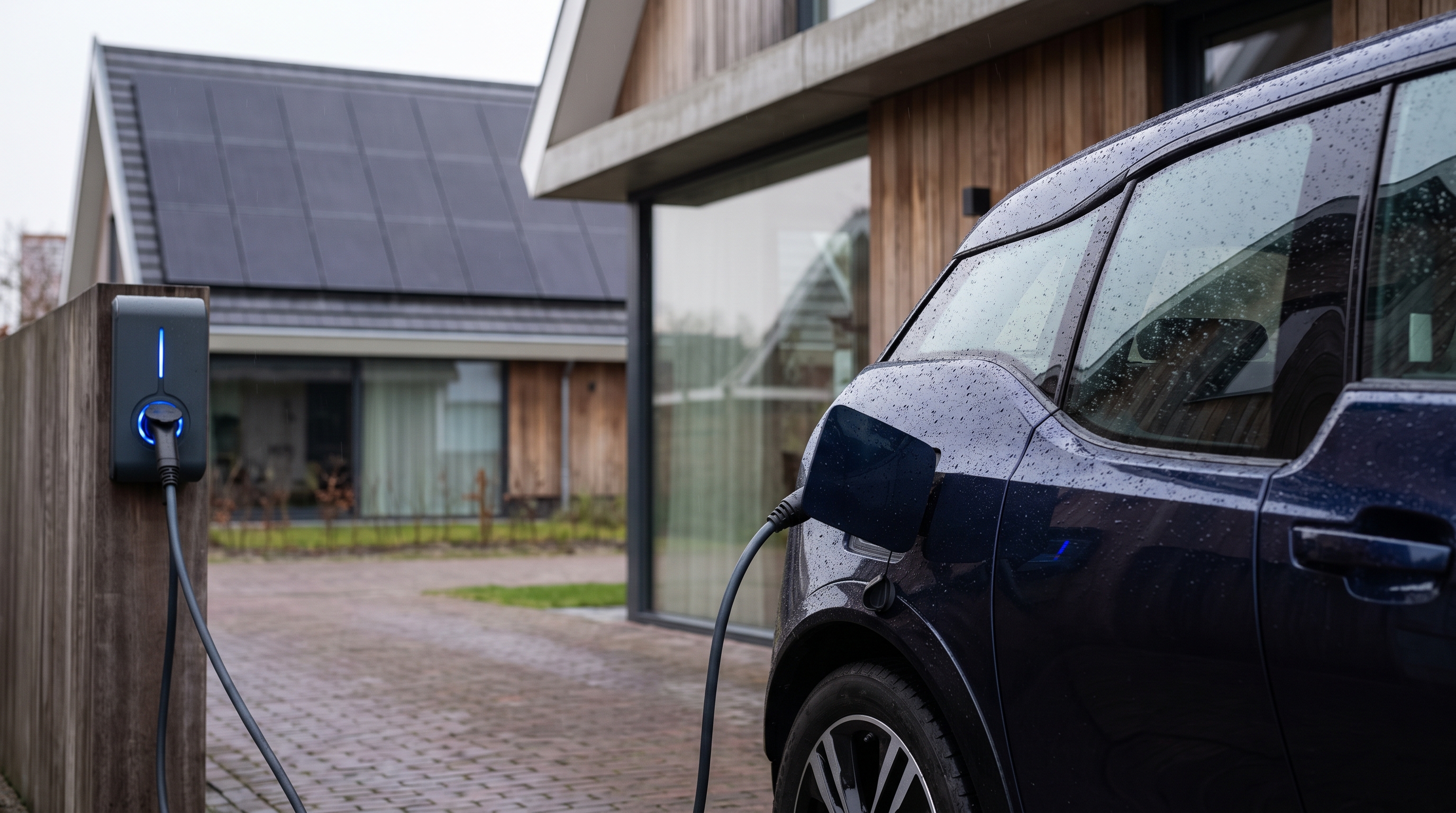
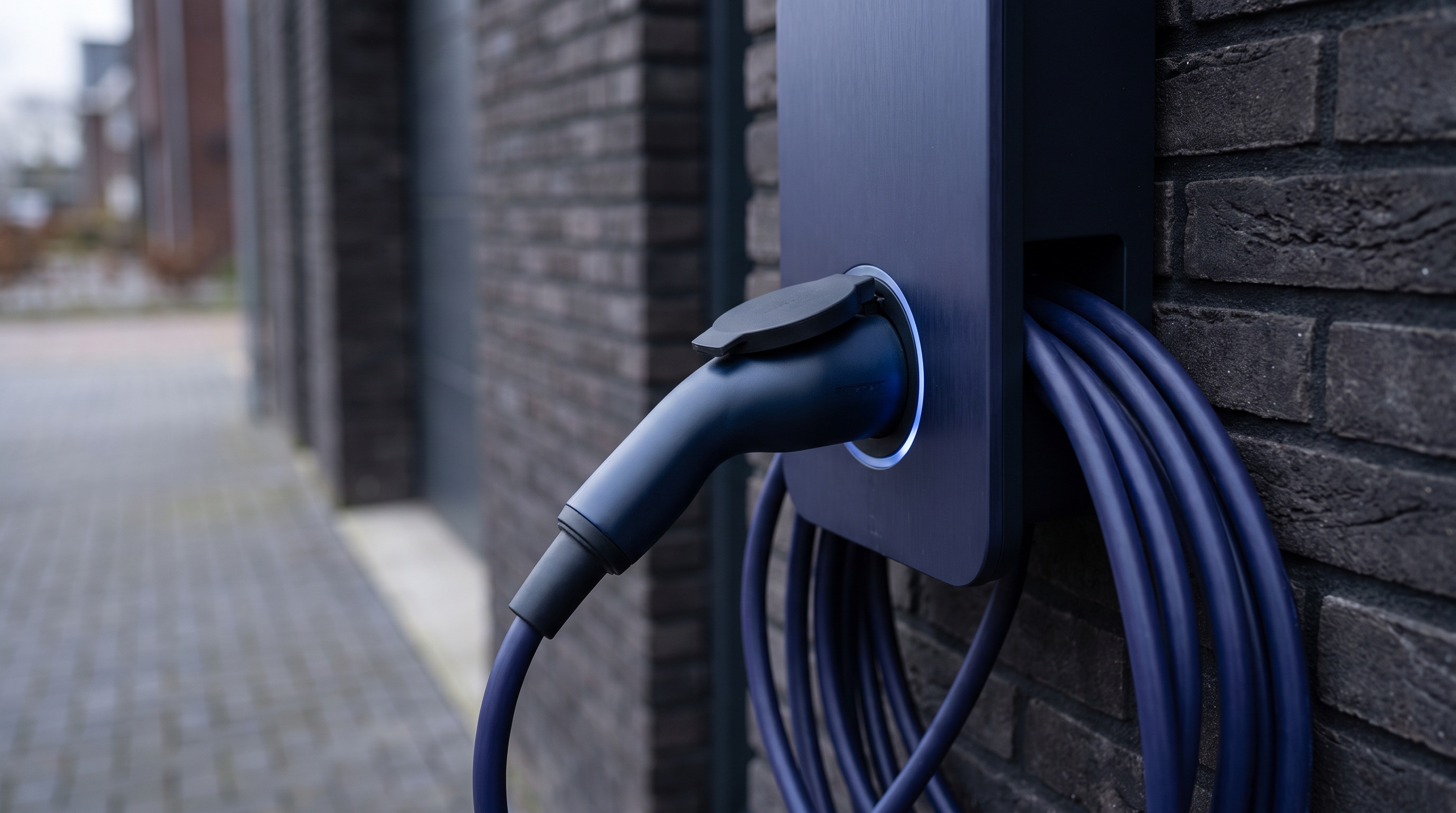
A dynamic tariff makes cheap EV charging possible; smart charging is what actually captures it. Instead of you watching hourly prices and flipping the charger on and off, a smart charging system reads tomorrow's prices, works out the cheapest window that still has your car ready in time, and does it automatically — every night, without your attention. That difference, between a plan you have to run yourself and one that runs itself, is where the real saving lives.
Manual timing versus smart charging
The obvious first step is a timer: 'charge after midnight'. It captures most of the saving on most days, which is why it is a reasonable starting point. But a fixed schedule is blind. It keeps charging at 2am even on the night wholesale prices bottom out at 6am, misses the days when midday solar is cheapest, and can't react when a price spike is coming tomorrow. It also quietly fails the moment your routine changes.
Smart charging replaces that fixed rule with a decision made fresh each day. It looks at the actual price curve for tomorrow — published each afternoon — and builds a charging plan around it, then adjusts in real time as conditions change. For the underlying 'when is it cheapest' picture, see when to charge your EV cheapest.
What a smart charging system actually weighs
The reason automation beats a timer is that it optimises several things at once, which no simple rule can:
- tomorrow's hourly (and increasingly quarter-hourly) prices, so it charges in the genuinely cheapest hours,
- your departure time and the charge you need, so the car is always ready when you are,
- your solar forecast, so it charges from your own surplus when the sun is out rather than exporting it cheaply,
- in Belgium, your monthly capacity-tariff peak, so charging doesn't set an expensive new peak,
- and the live state of your home and car, so it adapts when something changes.
A static schedule optimises for an average day that rarely occurs. A smart system optimises for the actual day ahead.
How much automation really adds
The savings from charging at the right hours are substantial — on the order of several hundred euros a year versus habitual evening charging, as the pricing article lays out. But there is a catch that decides whether you ever see it: doing it by hand works for a couple of weeks, then almost everyone stops. Automation is what turns the potential saving into a realised one, because it keeps optimising after your enthusiasm fades. The value isn't just in knowing the cheapest hour; it's in reliably charging in it, every night, for years.
What to look for in a smart charging setup
- Dynamic power control, not just on/off — so it can follow a solar surplus or ramp around a price curve,
- price integration with the day-ahead market (EPEX), so it charges on real prices rather than a guess,
- solar-surplus mode, so it can charge from your panels when they're producing,
- departure-time targeting, so a full battery by your leaving time is guaranteed,
- capacity-tariff awareness for Belgian users, and
- compatibility with your specific charger and car.
Where Lyvra fits
Lyvra pulls the day-ahead prices, reads your live consumption from the P1 meter and your solar production, and controls your charger's speed in real time to hit the cheapest, cleanest window while guaranteeing your car is ready on time. You set your preferences once; it handles every charging decision after that. If dynamic contracts are new to you, start with dynamic energy contracts, explained simply.
The bottom line
A dynamic tariff is the opportunity; smart charging is what banks it. The hardware to do this exists and is affordable, and the savings are real and repeatable — but only if the optimising happens automatically. Set it up once, and cheap charging stops being a chore you have to remember and becomes something your home just does.